Posts by developer
Can an Overhead Crane Hook Be Used as an Anchor Point?
While OSHA conditionally permits an overhead crane hook as a fall arrest anchor point under strict safety guidelines, engineered permanent or mobile anchors are the preferred solution for safety. One question we hear occasionally is whether workers can tie off to a crane hook for personal fall protection when no other anchorage is available. The…
Read MoreHow To Clean Your Safety Harness
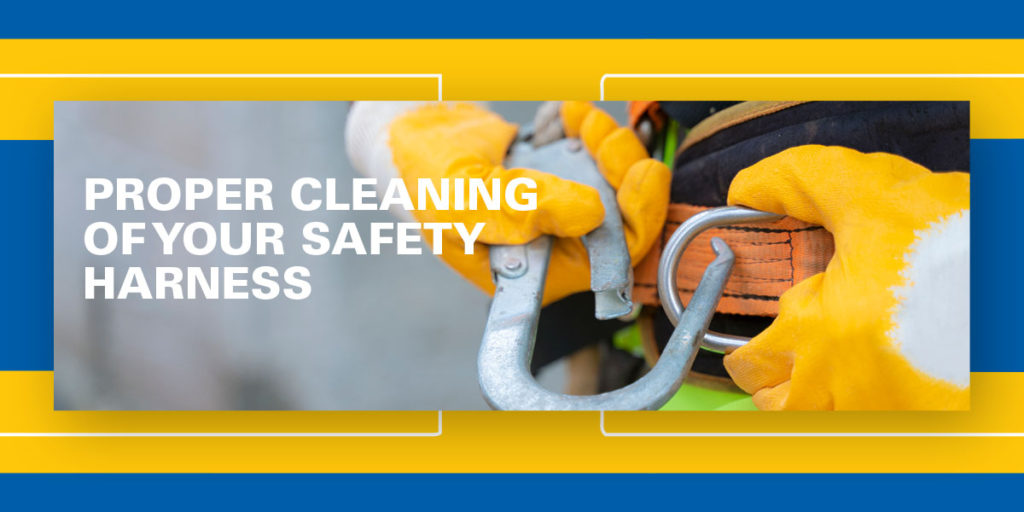
Properly cleaning your full-body safety harness relies on careful visual inspection, mild detergent, and air-drying techniques in a well-ventilated space. A worker’s full-body harness is an integral element of fall protection systems. Harnesses enable workers in numerous industries to perform tasks at high heights more safely and comfortably. They allow freedom of movement and keep…
Read MoreWhat Is Maximum Arresting Force
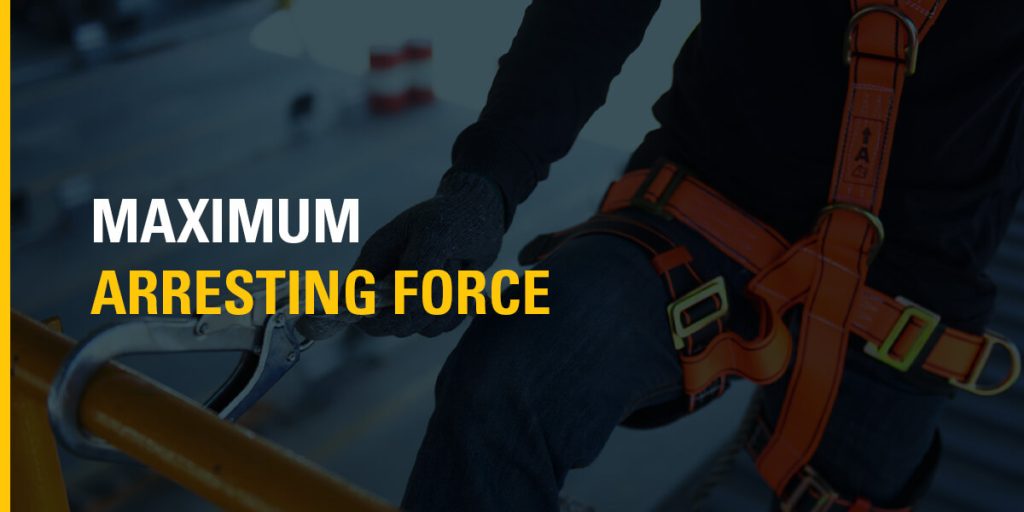
Maximum arresting force (MAF) plays an important role in the safety of anyone who uses a fall protection system or device, as it determines how much force a user will experience when the fall protection system stops a fall. Considering that the Occupational Safety and Health Administration (OSHA) consistently places falls as one of the…
Read MoreHow To Maintain Fall Protection Safety in Icy Conditions
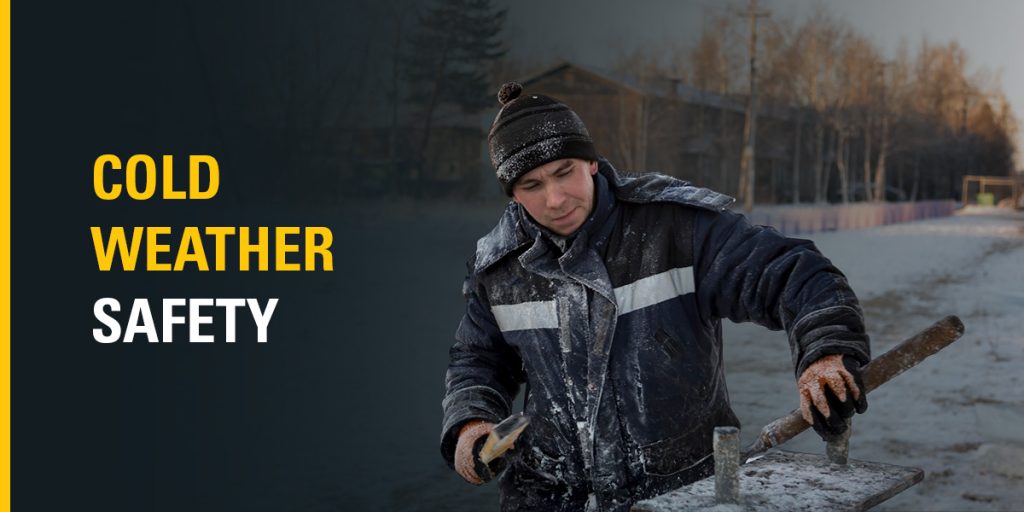
Cold Weather Safety To combat the heightened risks of winter weather, job sites utilizing fall protection must implement cold-weather safety protocols alongside specialized equipment like enclosed track profiles, aluminum systems, and proper personal protective equipment. When winter sets in, it doesn’t just introduce freezing temperatures. It brings with it a new set of challenges for…
Read MoreWhat Are the Differences in Training Between an Authorized Rescuer and a Competent Rescuer Under ANSI Z359.2?
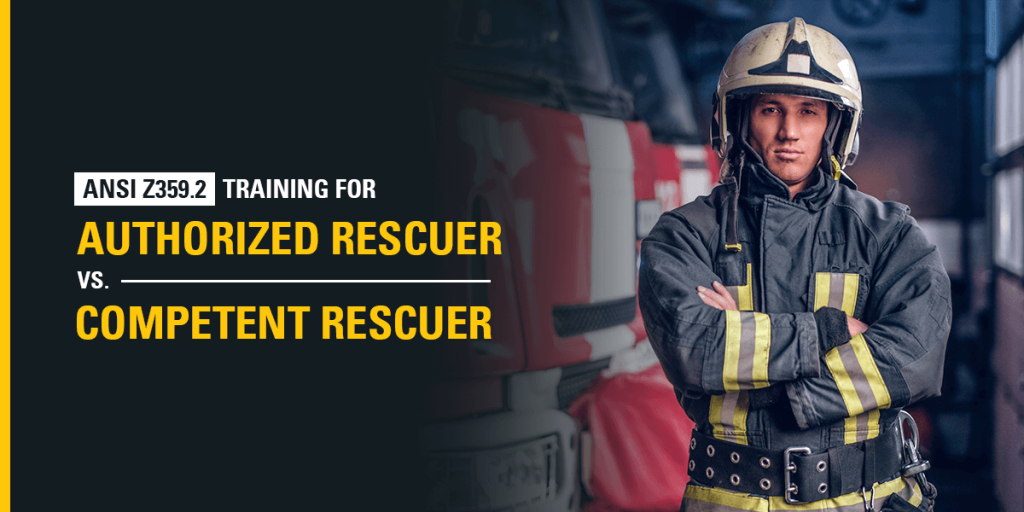
While both roles are essential to a compliant post-fall rescue plan, an Authorized Rescuer is assigned by the employer to perform basic retrieval using specific equipment, whereas a Competent Rescuer requires more rigorous annual training for a more comprehensive fall protection rescue program. As workplace falls increase in industrial and construction facilities, more employers are installing fall protection systems. While many employers will…
Read MoreWhat is ANSI?
The American National Standards Institute, or ANSI, is an independent, non-profit agency that oversees the development of voluntary consensus standards for various industries. The agency works to ensure consistency and safety, as well as to assure worldwide acceptance of common standards, applicability, and terminology. ANSI also accredits standards developed by certifying agencies, private industry, government…
Read MoreWhat Is Suspension Trauma
Very simply stated, suspension trauma is injury or death caused by blood flow restriction while hanging suspended in a harness waiting for rescue assistance, and it legally mandates a prompt rescue response from employers. This is why self rescue is so important. As required by OSHA law: 1910… So let’s take a look at what happens…
Read MoreWhat is Galvanization?

Here at Rigid Lifelines™ we frequently recommend that customers have their fall protection system galvanized as a way to fight corrosive environments and extend the overall life of the system. In general industry the term “galvanized” is typically used in reference to metals, in particular steel. The terms “galvanic” and “galvanization” once referred to the…
Read MoreWhat Are Swing Falls and How Do They Occur

Swing falls in the industrial work place can result in significant injuries to workers and damage to equipment. Many jobs require workers to perform tasks at height. Whether cleaning or servicing aircraft, installing or adjusting theater lighting, or working in an industrial or construction environment, OSHA regulations require fall protection for working heights of four…
Read MorePassive vs. Active Fall Protection
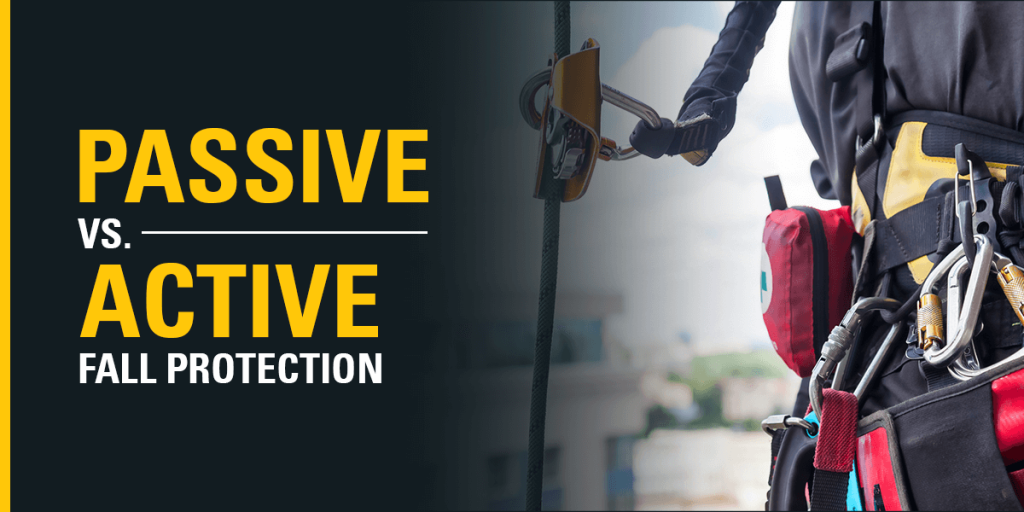
Falls are serious hazards, especially in environments where workers perform their duties at elevated heights. In 2023, falls accounted for 21% of all preventable injury-related deaths and 31% of all nonfatal injuries. For industries like construction, where workers are often required to work from a certain height, fall protection systems are vital pieces of safety…
Read MoreThe Evolution of Horizontal Fall Protection
The fall protection industry is evolving. In its earliest form, workers used hemp ropes to tie around their waists in the event of a fall. During the latter part of the 20th Century, advances in technology took the concept of a rope and put it overhead in the form of horizontal fall protection. Eventually the…
Read MoreThree Types of Workplace Falls
When looking to identify and address fall hazards in any working environment, it is important to understand the different types of falls that a worker may face while performing their daily tasks. Falls can be categorized into three types: falls on a single level, falls to a lower level, and swing falls. In this week’s…
Read More